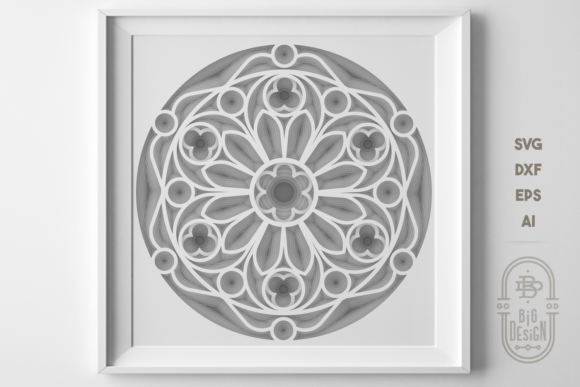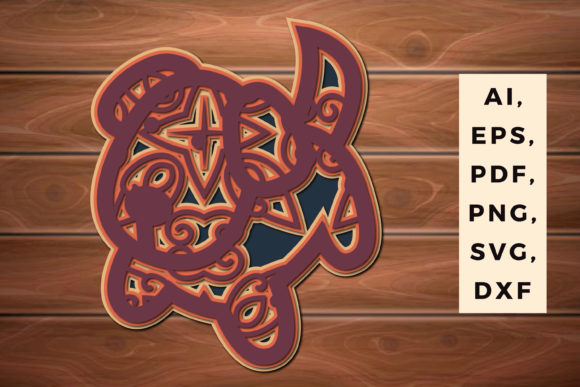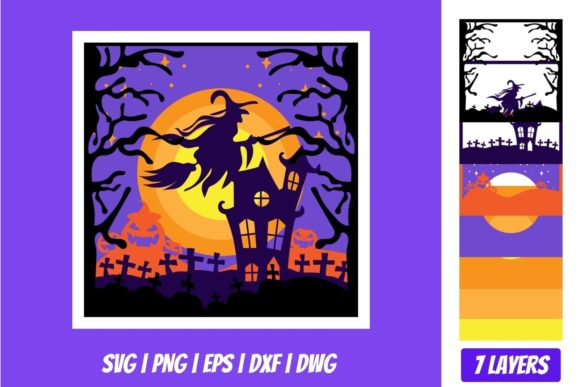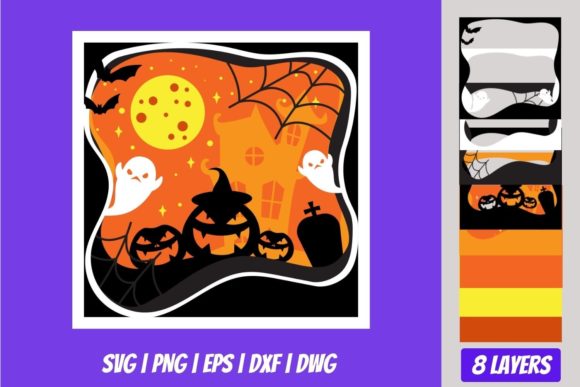
Fall Layered Paper Cut 3D Autumn Art
There is something quietly satisfying about watching a flat sheet of paper become a miniature scene with depth, shadow, and warmth. Fall layered paper cut 3D autumn art takes this idea and fills it with the colors and textures of the season—crisp orange leaves, bare branches, soft golden light, and the quiet feeling of a cool afternoon. Unlike standard paper crafts, this approach adds real dimension by stacking multiple cut layers inside a frame or shadow box. The result is a tactile piece of art that captures the essence of autumn without needing paint, brushes, or digital tools.
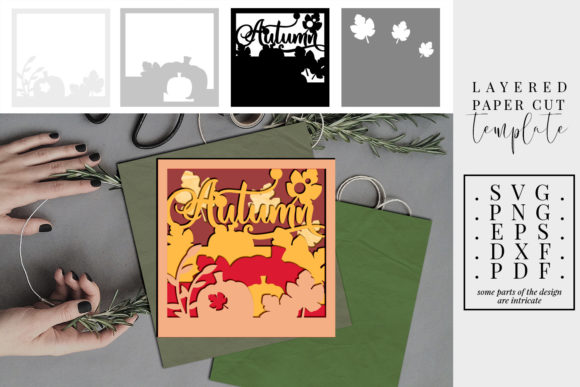
At its simplest, fall layered paper cut 3D autumn is a handcrafted or digitally designed composition where each layer is cut separately and arranged at different depths to create a sense of distance and perspective. The front layers may hold fine details like a winding path or scattered acorns, while the back layers suggest distant hills or a soft sunset sky. When placed behind a frame or between spacers, the layers work together to form a scene that draws the eye inward, much like looking through a tiny window into an autumn landscape.
What Makes Layered Paper Cut Art Stand Out
The appeal of fall layered paper cut 3D autumn lies in its ability to combine simplicity with sophistication. The materials are basic—paper, a cutting tool, adhesive, and a frame. Yet the finished piece can look intricate and thoughtfully crafted. Because the depth is built physically rather than simulated digitally, there is a handmade quality that digital prints often lack. The slight shadows cast by each layer add a natural softness, and the layers themselves create a gentle sense of movement as light shifts across the surface throughout the day.
For people who enjoy seasonal decorating, this style offers a way to bring autumn indoors without relying on plastic pumpkins or mass-produced wall art. A well-made piece becomes a focal point that feels personal and intentional. It also works well as a gift, especially for someone who appreciates handmade items or has a fondness for fall. Because the design can be customized—changing the tree shape, adding a favorite quote, or using paper with subtle metallic or textured finishes—each piece can feel unique.
Practical Benefits for Creators and Businesses
Fall layered paper cut 3D autumn is not just a hobbyist activity. It has real value for small business owners, bloggers, educators, and content creators who want to stand out in a crowded seasonal market. For example, an Etsy seller can produce a limited run of autumn-themed layered cut frames and offer them at a price point that reflects the time and care involved. Unlike digital downloads that can be copied instantly, physical layered paper art carries a sense of rarity and effort that customers often value.
Bloggers and social media content creators can use this craft as a visual anchor for seasonal posts. A photograph of a layered fall scene with warm lighting and a cozy background can perform well on platforms like Pinterest or Instagram. The process itself—cutting, layering, assembling—also makes for engaging video content. Many viewers enjoy watching the transformation from flat paper to dimensional art, and the autumn theme adds a timely hook that works from September through November.
Educators and workshop facilitators can introduce fall layered paper cut 3D autumn as a hands-on project for students or community groups. It teaches patience, spatial reasoning, and fine motor skills while allowing room for creative choice. A classroom can design a group scene where each student contributes one layer, building a collaborative piece that celebrates the season. The concept is accessible enough for beginners yet flexible enough for experienced makers to explore more complex compositions.
What Beginners Should Know Before Starting
If you are new to this style, the most important thing is to start with a simple design. A landscape with two or three layers—a background sky, a middle row of trees, and a foreground with leaves—is much easier to manage than a scene with five layers and tiny cutouts. Beginners often benefit from using a template or pattern rather than designing from scratch. Many craft stores and online platforms offer downloadable fall layered cutting templates that are ready to print and use.
Choosing the right paper is another step that can make or break the final result. Cardstock between 65 lb and 80 lb is a good starting point. It is sturdy enough to hold its shape but thin enough to cut cleanly with a hobby knife. Lighter paper may tear during cutting, while thicker paper can make the layers look too bulky inside a shallow frame. If you want to add visual richness without extra work, try using paper with a slight texture or a metallic finish on the accent layers.
Cutting tools matter more than most beginners expect. A sharp blade makes smooth cuts and reduces frayed edges. Dull blades cause frustration and can ruin a piece that took time to plan. It helps to replace the blade after every few projects, especially if you are cutting intricate leaves or thin branch lines. A self-healing cutting mat protects your work surface and makes it easier to see the lines you are cutting.
Where to Use Layered Autumn Art
The versatility of fall layered paper cut 3D autumn means it can fit into many settings beyond the home. Coffee shops and boutique stores often use seasonal decor to create atmosphere, and a framed layered piece adds a handcrafted touch that feels authentic. Libraries and community centers may display student or local artist work during autumn events. For professionals like therapists or life coaches, a calming fall scene in a waiting area can help set a relaxed tone without feeling generic.
From a digital standpoint, layered paper cut designs can also be adapted for blogs, newsletters, and printable products. A fall layered design can become the header image for a seasonal blog post, the cover of a downloadable planner, or the artwork for a printable greeting card. The layered look translates well to flat photography and can be edited in simple photo software to create clean, high-contrast images that catch attention in feed-style layouts.
Important Considerations Before Going All In
While fall layered paper cut 3D autumn is rewarding, it does require time, patience, and a steady hand. Cutting intricate layers by hand takes focus, and a single slip can mean restarting a layer. Beginners should expect to spend at least an hour or two on a simple three-layer scene. Larger or more detailed pieces can take several sessions. This is not a quick craft, and that is part of its value. If you approach it with a relaxed mindset, the process itself becomes a quiet, meditative activity rather than a race to finish.
Storage is another practical point. Assembled pieces with multiple layers can be fragile, especially if the layers extend close to the edges of the frame. Dusting or cleaning the artwork requires care. Using a frame with a glass or acrylic front helps protect the layers, but the piece should still be handled gently. If you are creating pieces to sell, consider packaging them in a way that prevents the paper from bending or the layers from shifting during transit.
Finally, while it is tempting to add many small details to a scene, more is not always better. Too many tiny cutouts can overwhelm the design and make the piece look messy. A good rule is to let each layer have a clear purpose. The background might show a soft sunset gradient, the middle layer a silhouette of trees, and the foreground a scattering of fallen leaves. Keeping the composition clear helps the viewer appreciate the depth rather than struggle to understand the scene.
Final Thoughts on Fall Layered Paper Cut 3D Autumn
Fall layered paper cut 3D autumn is more than a seasonal craft. It is a way to slow down, work with your hands, and create something that feels meaningful in a world of quick digital content. Whether you are making a single piece for your own home, designing products for customers, or guiding a group through a creative workshop, the process leaves room for both structure and personal expression. The autumn theme gives you a natural starting point, and the layered technique invites you to think about space, light, and composition in a tactile way.
If you have never tried a layered paper cut project, fall is an excellent time to start. The colors are forgiving, the subject matter is familiar, and the finished work brings a lasting reminder of the season long after the leaves have fallen.