Why Halloween Shadowbox 3 3D Layered SVGs Are Reshaping Seasonal Creative Workflows
In the expanding universe of digital craftsmanship, few formats have gained as much quiet momentum as the layered SVG—and in seasonal design, the Halloween Shadowbox 3 3D Layered SVG has become a particularly compelling asset. At first glance, it might appear to be a niche decorative file for hobbyists. But a closer look reveals something more significant: a convergence of accessible technology, shifting consumer expectations, and a growing demand for personalized, tactile experiences in an increasingly digital world.
For professionals across creative industries—graphic designers, product developers, content creators, and entrepreneurs—understanding why this format resonates goes beyond the Halloween theme itself. It speaks to how modern audiences engage with visual storytelling, how production workflows are evolving, and what buyers expect from a digital product that promises real-world results.
What Exactly Is a Halloween Shadowbox 3 3D Layered SVG?
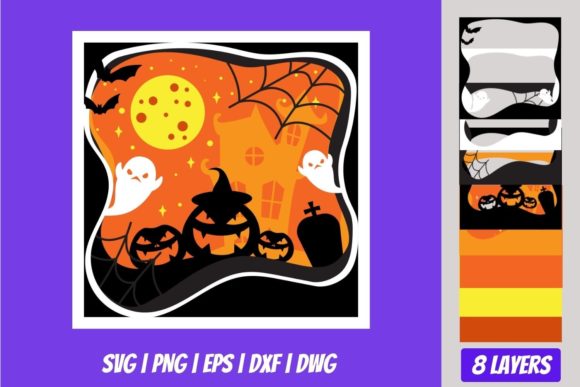
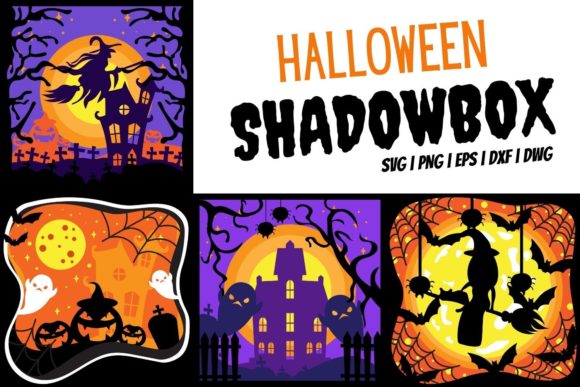
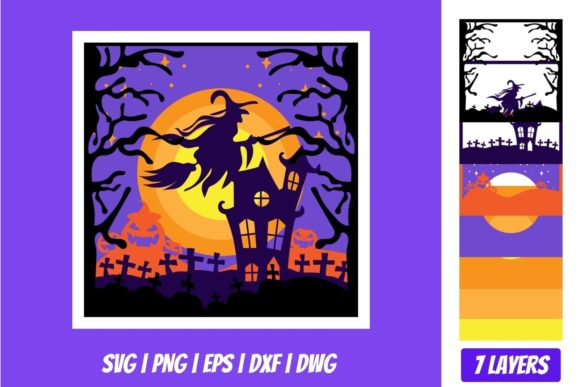
A Halloween Shadowbox 3 3D Layered SVG is a vector-based design file specifically structured for creating multi-layered, three-dimensional shadowbox displays. Unlike a flat graphic, this SVG file contains multiple layers—typically three or more—that are cut from materials such as cardstock, chipboard, or acrylic and then stacked within a shadowbox frame. The result is a dimensional scene with depth, shadow, and a sense of physical presence.
What sets the "3 3D" designation apart is the deliberate engineering of each layer to create realistic parallax and depth effects. In a typical Halloween shadowbox, you might find a haunted house in the foreground, a graveyard in the midground, and a moonlit sky in the background—each layer spaced apart to cast natural shadows and draw the viewer into the scene.
For creators, this is not just a static image. It is a production-ready template that can be cut on machines like Cricut, Silhouette, or Brother ScanNCut, or even hand-cut for artisanal batches. The file includes precise registration marks, layer order guidance, and often assembly instructions. This transforms the SVG from a mere graphic into a complete creative kit.
The Broader Shift: From Consumption to Participation
To understand why the Halloween Shadowbox 3 3D Layered SVG has attracted attention, it is necessary to look beyond the seasonal theme and examine a larger behavioral trend: the movement from passive consumption to active participation in design.
For much of the last decade, digital content was primarily something to view, share, or scroll past. But a growing segment of consumers—and many professionals—now want to make. They want to hold a finished product in their hands that they had a hand in creating. This is not a rejection of digital tools; rather, it is a demand for digital assets that enable physical production. The layered SVG sits at that intersection perfectly. It is a digital file with a physical outcome.
Entrepreneurs and small business owners have recognized this shift. Selling an SVG file is not simply selling a design; it is selling a process, a result, and an experience. A Halloween shadowbox SVG allows a customer to go from browsing online to creating a tangible decoration in a single weekend. That immediacy and tangibility have real market value.
Why Professionals and Creators Are Taking Notice
There are several compelling reasons why the Halloween Shadowbox 3 3D Layered SVG has moved from a niche craft item to a product category worth serious attention among creative professionals.
1. Scalable Personalization at Low Cost
For entrepreneurs and freelancers, one of the hardest challenges is delivering personalized products without incurring high per-unit costs. A layered SVG solves this elegantly. The same base design can be resized, recolored, or modified with minor layer edits to serve different customers. A Halloween shadowbox can be offered in multiple sizes, with alternative color palettes (purple and orange versus black and silver), or with custom text layers added for client branding. The vector format ensures that scaling does not degrade quality, and the layered structure makes targeted edits straightforward.
2. A Premium Aesthetic Without Expensive Tooling
Three-dimensional shadowboxes have traditionally required laser cutting, die-making, or skilled hand assembly. The layered SVG, combined with affordable cutting machines, has democratized this look. A marketer creating promotional gifts for a Halloween campaign can produce dimensional signage at a fraction of the cost of commercial fabrication. The aesthetic outcome—clean, layered, professional—feels premium to the end recipient, but the production process remains accessible.
3. Niche Seasonal Content with Year-Round Lessons
Halloween is a seasonal spike, but the workflow, audience expectations, and distribution strategies that surround it offer year-round insights. Creators who master the production and marketing of a seasonal layered SVG understand product bundling, tiered pricing, and how to generate urgency. These are transferable skills that apply to any holiday or themed product line.
4. Community and Collaboration Potential
Shadowbox SVGs are often sold as "make-along" kits, which fosters a community around the product. Creators share their finished shadowboxes on social media, tag the original designer, and provide authentic social proof. For marketers, this organic user-generated content is invaluable. It builds trust and reduces the friction of the purchasing decision for new customers.
Changing Needs in the Creative Workflow
The rise of the Halloween Shadowbox 3 3D Layered SVG also reflects deeper changes in how creative professionals approach their work. Traditional graphic design workflows were built around final output being digital or print. Now, the output is increasingly dimensional. This requires a different mindset during the design phase.
Designers must think in layers, not just in compositions. They must consider material thickness, tab alignment, and how the human eye will perceive depth at different viewing angles. It is a shift from two-dimensional layout to three-dimensional engineering. This opens new opportunities for designers who can bridge graphic design and physical fabrication—a skill set that is increasingly valued in the market.
For example, a designer creating a Halloween shadowbox SVG must plan which elements belong in the foreground (witches, pumpkins, fences) and which belong in the background (stars, moons, distant hills). Each layer must be separated by a spacer—often created by cutting duplicate dark layers—and the overall depth must fit within a standard shadowbox frame (typically 1 to 2 inches). These constraints are not limitations; they are design parameters that define the format.
Freelancers who add layered SVG design to their service offerings differentiate themselves in a crowded market. Where many designers offer flat graphics, those who understand dimensional design can command higher rates and attract clients in the growing maker and crafting industry.
Practical Examples in Action
To make the concept concrete, consider how different professionals might use a Halloween Shadowbox 3 3D Layered SVG in their work.
- A small business owner producing limited-edition Halloween décor for a local boutique can purchase a commercial-use SVG, cut multiple shadowboxes in a weekend, and sell them as premium handmade items. The cost per unit is low, and each piece feels unique because of subtle material variations.
- A content creator running a craft channel can film a step-by-step assembly tutorial for the shadowbox. The SVG file becomes both the product and the content inspiration. The resulting video attracts viewers who may later purchase the file to make their own.
- A marketing professional at a creative agency can pitch a dimensional campaign element for a Halloween retail client. Instead of a flat poster, the client receives a shadowbox that sits on a counter or shelf—creating a tactile brand touchpoint that customers notice and photograph.
- A graphic designer expanding their product line can release a series of Halloween shadowbox SVGs with different themes—haunted forest, vampire castle, pumpkin patch—each structured as three-layer builds that can be cut in under 30 minutes.
These examples are not speculative. They reflect active product categories present on platforms like Etsy, Creative Market, and Design Bundles. The Halloween shadowbox has become a staple seasonal item for thousands of sellers because the format works for both maker and buyer.
Connecting to Larger Industry Developments
The Halloween Shadowbox 3 3D Layered SVG is a small but telling example of several larger developments in the creative economy.
First, it represents the productization of design skills. Designers are no longer limited to selling their time by the hour. A well-crafted SVG can be sold hundreds or thousands of times with no additional labor per sale. This shifts the business model from service-based to product-based—a change that many creative professionals are actively pursuing for greater income stability and scalability.
Second, it highlights the importance of cross-platform compatibility. The SVG format is open, widely supported, and does not lock users into a single ecosystem. This makes it a safe investment for buyers who may own different cutting machines or software. In an era where closed proprietary formats create friction, the SVG's openness is a distinct advantage.
Third, the interest in layered SVGs aligns with a broader cultural appreciation for mindful, hands-on activity. After years of screen-heavy work and leisure, many people—including professionals—seek analog or hybrid experiences that involve tactile creation. Assembling a shadowbox provides a focused, meditative activity with a visible outcome. It is a form of productive relaxation, and that emotional benefit is part of what customers pay for.
Finally, the Halloween shadowbox sits within the growing seasonal content market. Consumers increasingly plan their purchases around holidays and events, and they expect fresh, themed offerings each year. Creators who understand this rhythm can build recurring revenue by planning seasonal releases, updating designs, and maintaining relevance.
Why It Matters Beyond Halloween
While this article focuses on the Halloween shadowbox, the principles behind it apply to every holiday and theme. The same three-layer engineering that creates a haunted house scene can just as easily produce a Christmas village, a spring garden, or a birthday celebration. Mastering the format for one season builds a template for year-round product development.
For professionals and entrepreneurs, the key takeaway is that the Halloween Shadowbox 3 3D Layered SVG is not merely a decorative file. It is a vehicle for exploring how digital design can serve physical creation, how products can be engineered for accessibility, and how seasonal themes can be leveraged for sustainable business growth. The format rewards those who think in layers—both literally and strategically.
As consumer expectations continue to shift toward meaningful, participatory experiences, the demand for high-quality, production-ready SVG files will only increase. Designers and creators who invest in understanding dimensional layering, material constraints, and assembly design will find themselves well positioned to meet that demand. The Halloween shadowbox is one excellent place to start.
Whether you are a freelancer looking to expand your product line, a marketer seeking fresh engagement tactics, or an entrepreneur building a brand around seasonal décor, the layered SVG offers a practical, proven, and scalable format. The depth it provides is not just visual—it is commercial.