Evaluating Abstract 3D Liquid Shapes with Vibrant Color for Your Visual Projects
When you encounter a design that seems to flow like a viscous fluid, with smooth undulating surfaces and intense hues, you are likely looking at an abstract 3D liquid shape rendered in vibrant color. This visual style has become increasingly prominent in digital design, branding, motion graphics, and digital art marketplaces. But is it the right choice for your specific project or creative need? This article provides a balanced evaluation of abstract 3D liquid shape vibrant color, helping you weigh its benefits, tradeoffs, and best-use scenarios so you can make an informed decision.
Understanding the Aesthetic: What Is Abstract 3D Liquid Shape Design?
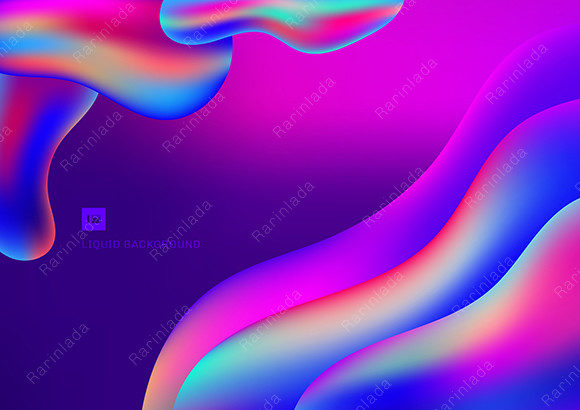
Abstract 3D liquid shape vibrant color refers to computer-generated imagery that simulates fluid forms—blobs, waves, droplets, or flowing masses—that are fully three-dimensional and rendered with saturated, often contrasting, color palettes. Unlike traditional flat vector illustrations, these shapes incorporate lighting, reflections, refraction, and material properties such as glossiness or translucency. The result is an organic, dynamic appearance that suggests movement and energy, even in a static image. This style bridges the gap between surreal digital art and modern, sleek design trends. It is frequently used in backgrounds, hero images, app interfaces, NFT collections, and social media visuals.
Readers evaluating this style should understand that it is distinct from simpler gradient blobs or 2D fluid art. The 3D element adds depth, realism (even if stylized), and a sense of physical presence. The vibrant color component means that the palette is intentionally loud, often employing neon, jewel tones, or high-saturation combinations that demand attention. This is not a subtle or understated aesthetic.
Why Consider This Style? Potential Benefits and Applications
Choosing an abstract 3D liquid shape with vibrant color can serve several strategic purposes. Below are common reasons to adopt this visual direction, each tied to specific goals.
- Visual impact and differentiation: In a crowded digital landscape, such shapes break through noise. Their organic randomness contrasts with rigid grid-based layouts, making them memorable. If your goal is to capture attention quickly—for a landing page or advertisement—this style can outperform conventional photography or flat illustration.
- Modern and tech-forward branding: Companies in technology, creative software, gaming, or media often use abstract 3D elements to signal innovation. The liquid quality suggests fluidity, adaptability, and forward-thinking. A vibrant color palette further reinforces energy and youthfulness.
- Versatility in format: These renders can be static images, animated loops, or interactive 3D environments. They scale across digital screens, print, and even video. Because the shapes are abstract, they avoid cultural or literal constraints, making them suitable for international audiences.
- Emotional resonance: Vibrant colors combined with organic shapes can evoke feelings of excitement, creativity, and optimism. The fluid motion (real or implied) can also suggest freedom and flow, which aligns with themes of transformation or innovation.
However, the decision to use this style should not be based solely on its trendiness. It is important to evaluate whether these benefits align with your brand identity, audience expectations, and project objectives.
Tradeoffs and Practical Considerations
No visual style comes without compromises. When evaluating abstract 3D liquid shapes with vibrant color, you should consider the following tradeoffs:
- Production complexity: Creating high-quality 3D liquid renders requires specialized software (Blender, Cinema 4D, Houdini) and skills in simulation, shading, and compositing. If you cannot produce them in-house, custom work from a freelance designer can be costly—often more than a simple vector or stock photo. Alternatively, you can license pre-made renders or use AI generation tools, but these may lack uniqueness or resolution.
- Risk of visual fatigue: Intense vibrant colors can overwhelm viewers if used too broadly. Overuse of such visuals may appear dated quickly, especially as trends evolve. A design that looks cutting-edge today might feel like a cliché in two years. Consider how long your project needs to remain fresh.
- Potential accessibility issues: High-saturation color combinations can cause discomfort for some viewers, particularly those with visual sensitivities. Additionally, text overlaid on such backgrounds may suffer from low contrast unless carefully considered. Accessibility guidelines (WCAG) may require additional treatment, such as dark overlays or desaturated sections.
- Contextual mismatch: Abstract liquid shapes are not appropriate for every industry. If your audience expects professional seriousness (legal, medical, financial) the fluid, playful forms may undermine trust. Similarly, if your brand voice is minimalist or monochrome, introducing vibrant 3D elements could create inconsistency.
You should also weigh the technical expectations: If you plan to use these images on the web, file sizes can be large for high-resolution renders. Optimizing for speed and responsiveness may require tradeoffs in quality. Animated versions consume bandwidth and can affect load times.
When Abstract 3D Liquid Shapes Work Well
Based on the above considerations, there are clear scenarios where this style is a strong fit. If your project meets one or more of these conditions, abstract 3D liquid vibrant color is likely worth pursuing:
- Creative or entertainment industries: Music artist branding, event posters, game UI, or streaming overlays benefit from bold, energetic visuals. The abstract nature allows for artistic freedom without conflicting with narrative elements.
- Startup or product launch: When you need to convey innovation and disruption, especially for tech products, a vibrant liquid hero image can signal that you’re not playing it safe. It works well for splash pages or app store screenshots.
- Social media presence: Platforms like Instagram, TikTok, or Pinterest are visually driven. Posts featuring striking abstract 3D shapes tend to generate higher engagement due to their shareability and aesthetic appeal.
- Digital art and NFT projects: Abstract 3D liquid shapes have been popular in the NFT space. If you are creating collectible digital art, the combination of unique algorithmic generation and vibrant colors can attract collectors who value visual complexity.
In these contexts, the style reinforces a specific emotional or brand message. It is not a neutral background but a statement piece.
Situations Where Alternatives Might Suit You Better
Despite its appeal, there are situations where choosing a different visual approach would be more effective. Consider alternatives if:
- You need long-term brand consistency: A highly trend-driven aesthetic may require frequent updates to stay relevant. More timeless styles such as clean photography, simple flat icons, or subtle gradients provide more longevity.
- Your content is text-heavy: Overlays on complex, colorful 3D shapes reduce readability. If your design prioritizes clear communication of information (e.g., infographics, data dashboards, or articles), a plain background or orderly pattern would serve better.
- Budget or timeline is constrained: Designing custom 3D liquid renders can take days or weeks. If you need quick turnaround, stock photography, vector art, or even abstract gradients (2D) are more accessible and still visually appealing.
- Your audience is conservative or older: Research on color preferences suggests that older demographics often respond better to restrained palettes. Similarly, industries like law or real estate typically pair better with imagery that feels established rather than experimental.
Alternatives to abstract 3D liquid shapes include: geometric abstract patterns, minimal flat design with accent colors, photographic textures, or 3D renders using metallic or matte finishes with muted tones. Each has its own tradeoffs, but may align better with specific goals.
Making a Decision: How to Evaluate Fit for Your Needs
To determine whether abstract 3D liquid shape vibrant color is right for you, follow this practical decision-making framework:
- Define your primary goal. Are you driving attention, building trust, or communicating information? The most attention-driven goals favor this style. Trust-driven goals usually require restraint.
- Analyze your audience. Create a persona: what colors, complexity levels, and visual metaphors does your audience respond to? Test a few variations if possible. A/B testing for landing pages can reveal performance differences.
- Assess your brand identity. Does your existing visual system include geometric shapes, bright colors, or a digital-native feel? If so, this style may integrate smoothly. If your brand uses serif fonts and muted earth tones, it will likely clash.
- Consider the medium. For video backgrounds or interactive web elements, 3D liquid shapes add depth. For printed materials with low resolution or small sizes, the details may be lost. Evaluate how the render will be used at various scales.
- Weigh cost versus benefit. Get quotes for custom creation, or explore stock libraries that specialize in 3D abstract shapes (e.g., Shutterstock, Envato, or DeviantArt). Compare licensing fees to the perceived value of uniqueness.
- Plan for longevity. If the project is temporary (like a campaign), trends are less risky. For a logo or permanent brand asset, consider a more classic approach, or at least a version that can evolve.
Finally, remember that abstract 3D liquid shape vibrant color is not a one-size-fits-all solution. Its power lies in its ability to captivate and energize, but that same energy can be distracting or inappropriate in certain contexts. By evaluating your specific needs against the criteria above, you can decide whether embracing this fluid, vibrant aesthetic will enhance your work or steer it off course. As with any design choice, the key is intentionality: choose the style that serves your message, not one that simply follows the visual trend of the moment.