3D Spider Web Pumpkin SVG: A Detailed Guide for Creators and Designers
The world of digital crafting and design continues to evolve, with layered and dimensional effects becoming increasingly popular across various creative projects. Among these, the 3D Spider Web Pumpkin SVG has emerged as a distinctive design asset that blends seasonal imagery with a modern, dimensional aesthetic. Whether you are a hobbyist crafter, a graphic designer, or someone exploring digital cutting tools, understanding the nature of this file type and its practical applications can help you decide whether it fits your specific project needs. This article provides an objective evaluation of the 3D Spider Web Pumpkin SVG, covering what it is, where it excels, where it may fall short, and the key factors to weigh before downloading or purchasing a design.
What Exactly Is a 3D Spider Web Pumpkin SVG?
An SVG, or Scalable Vector Graphic, is a vector image format that can be resized without losing quality, making it ideal for cutting machines, screen printing, and web graphics. The 3D Spider Web Pumpkin SVG refers to a specific type of vector design that simulates a three-dimensional effect—typically through layered elements, shading, or perspective-based composition—featuring a pumpkin entwined with or overlaid by a spider web. Unlike a flat, single-layer silhouette, the 3D variant often includes multiple cut paths or overlapping components that create depth when assembled or viewed.
In practice, these files are commonly used with tools like Cricut, Silhouette, or laser cutters. The "3D" effect can be achieved in several ways: by stacking multiple layers of material (such as paper, cardstock, or vinyl) to form a raised image, by using score lines to fold sections outward, or through optical illusion within the vector artwork itself. It is important to note that not all files labeled as 3D are truly dimensional in the physical sense; some rely on visual depth simulated through gradient fills or intricate line work. Understanding which type you are working with is a critical first step in evaluating whether the file aligns with your intended outcome.
Why the Interest in a 3D Spider Web Pumpkin SVG?
Interest in this particular design often arises from a convergence of several factors. Seasonal crafting remains a powerful driver: autumn and Halloween projects consistently rank among the most popular categories for SVG downloads. The spider web and pumpkin motif is timeless, but adding a 3D element introduces a modern twist that can elevate a project from a simple decal to a centerpiece or gift item. For many creators, the appeal lies in the challenge and satisfaction of building a layered piece that has visual depth and tactile presence.
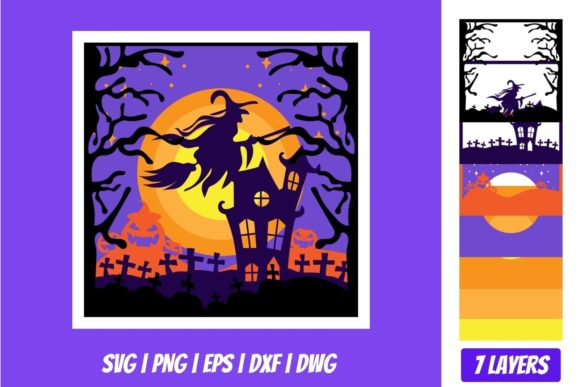
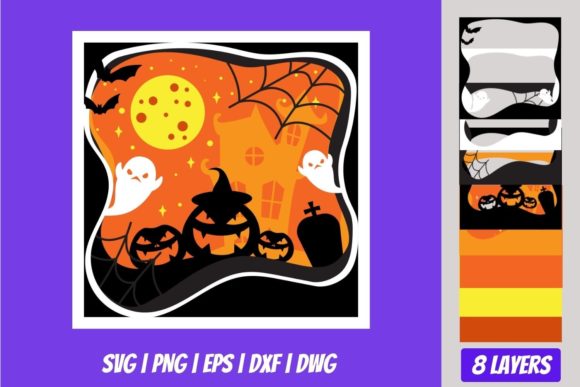
Another reason for interest is the versatility of the SVG format itself. Because vector files are resolution-independent, the same design can be scaled down for an ornament or scaled up for a wall hanging or yard decoration. This flexibility is particularly valuable for creators who produce items for multiple formats—such as cards, home decor, and apparel—without needing to redraw the artwork. Additionally, the 3D Spider Web Pumpkin SVG often includes separate layers for the pumpkin body, stem, web strands, and sometimes a spider or shadow layer, giving the user control over color, material, and assembly order.
Benefits and Practical Strengths
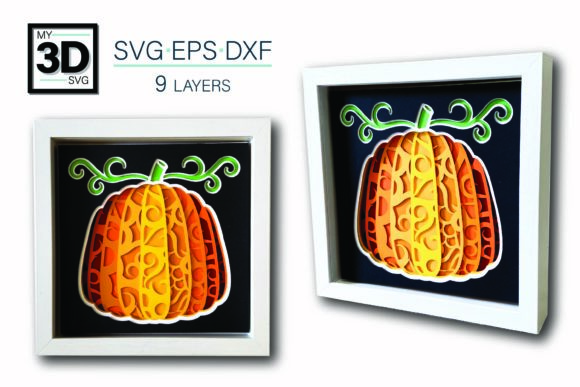
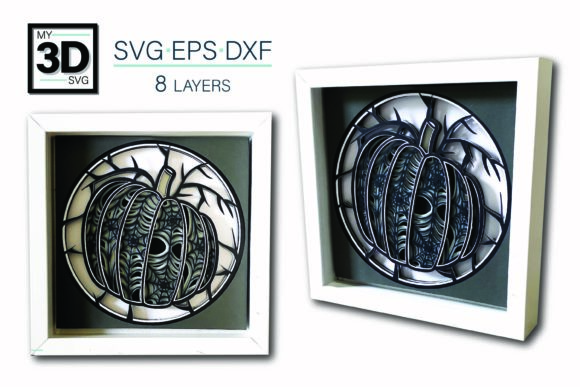
One of the most significant benefits of using a 3D Spider Web Pumpkin SVG is the dimensionality it brings to physical projects. When cut from cardstock or chipboard and stacked, the layers create a shadow box effect that draws the eye and provides a premium feel. This is particularly effective for greeting cards, window decorations, or framed art pieces where depth adds perceived value. The layered construction also allows for creative experimentation with materials—metallic paper for the web, textured orange paper for the pumpkin, or a backlight layer for dramatic effect.
Another strength is the ease of customization. Since the file is vector-based, you can change colors, remove elements, resize components, or combine the pumpkin with other designs without degradation. For professional users, this means the design can be adapted to fit brand palettes or specific product lines. For hobbyists, it offers the freedom to personalize gifts or seasonal decor with minimal additional effort. Furthermore, the included layers are often labeled clearly, which reduces the learning curve for newcomers to digital cutting.
From a time-saving perspective, a well-designed 3D Spider Web Pumpkin SVG eliminates the need to manually create a dimensional effect from scratch. The file typically includes pre-aligned layers, assembly instructions, and sometimes video tutorials. This can cut project preparation time significantly, especially for those producing multiple items for events or markets. For educators or group leaders, the ready-to-cut nature of these files makes them suitable for workshops or classroom activities where consistent results are desired.
Tradeoffs and Considerations
Despite the advantages, there are tradeoffs to consider. The primary challenge with any 3D SVG design is the increased material consumption. Because the effect relies on multiple layers, you will need more cardstock, vinyl, or other substrates than a comparable flat design. This can affect cost per project, especially if you are using premium materials or producing in bulk. Additionally, assembly time is longer: stacking and aligning layers carefully requires patience and precision. For creators with limited time or those seeking quick, one-piece decals, a layered SVG may feel cumbersome.
Another consideration is the complexity of the file itself. Some 3D Spider Web Pumpkin SVGs contain a high number of cut paths, score lines, and small detail elements—particularly within the spider web portion. Delicate web strands can be difficult to weed (remove excess material) and may tear if the material is not sturdy enough. This is especially true for thin vinyl or lightweight paper. If you are new to cutting machines, it may be wise to start with a design that balances visual depth with structural simplicity, or to test the file on inexpensive material first.
File quality also varies significantly between sources. Not all designers adhere to the same standards of layer alignment, path optimization, or scaling. A poorly constructed SVG can result in misaligned layers, excessive file size, or cuts that do not fit together as intended. When evaluating a 3D Spider Web Pumpkin SVG, it is advisable to check user reviews, look for preview images showing the assembled result, and verify that the file format is compatible with your software (e.g., Cricut Design Space, Silhouette Studio, or Adobe Illustrator).
When Is a 3D Spider Web Pumpkin SVG a Strong Fit?
This type of design is particularly well-suited for projects where the audience values craftsmanship and visual impact. Examples include handmade greeting cards sold at craft fairs, shadow box art for home decor, or layered window clings for holiday displays. If your goal is to produce items that feel substantial and handmade—where the recipient can see and feel the layers—then the effort invested in cutting and assembling a 3D design is worthwhile. It also works well for personalized gifts, such as a name plaque or a framed family initial that incorporates the pumpkin web motif.
Another strong fit is for content creators or small business owners who produce tutorials, kits, or digital assets. A 3D Spider Web Pumpkin SVG can serve as a visually compelling example in a video tutorial, or be sold as a standalone product for other crafters. In this context, the layered design provides added educational value because it demonstrates assembly techniques, material choices, and design principles. For designers building a seasonal product line, including a 3D option alongside flat SVGs can attract a broader customer base.
Educators and workshop leaders may also find this file type useful for teaching concepts like spatial reasoning, following instructions, or fine motor skills. Assembling a layered project requires step-by-step thinking and careful handling, which can be beneficial in classroom or therapy settings. The Halloween theme adds an element of fun that can engage participants who might not otherwise be drawn to a technical activity.
When Alternatives May Be Worth Considering
There are situations where a flat SVG or an alternative design format may serve you better. If you need to produce a large number of identical items quickly—such as favor bags, treat toppers, or simple window decals—the time and material required for a layered 3D design may not be efficient. A single-layer 3D Spider Web Pumpkin SVG is designed to simulate depth through shading or line art, which can provide a similar visual impression without the extra assembly. In many cases, a well-designed flat file can look nearly as dimensional when paired with the right material or finish, such as holographic vinyl or embossed paper.
If your primary use case is digital—such as for a website graphic, social media post, or print-on-demand item—then layered SVG files are generally not necessary. For these applications, a standard vector or PNG file is easier to manage and does not require assembly. Similarly, if you are using a cutting machine that has difficulty handling fine detail (such as older models or those with limited blade precision), a design with thick, bold lines and minimal weeding will yield better results. In such cases, consider a simplified pumpkin contour with a separate web overlay that uses wider paths.
Another alternative worth considering is a hybrid approach: using the 3D Spider Web Pumpkin SVG for a focal piece, while complementing it with flat designs for supporting elements. For instance, a layered pumpkin centerpiece could be surrounded by flat bat or leaf decals, achieving a balanced aesthetic without overwhelming the project with complexity. This strategy allows you to leverage the benefits of dimensionality where it matters most, while keeping overall production time and cost manageable.
Practical Decision-Making Insights
To determine whether a 3D Spider Web Pumpkin SVG aligns with your goals, start by assessing your primary output medium. If you are cutting physical materials and want a project that stands out on a shelf or in a photo, the layered format is likely a good match. Next, evaluate your own comfort level with assembly. If you enjoy the process of building and finishing projects, the extra steps will feel rewarding rather than tedious. If you prefer quick results, look for files that label the assembly order clearly and include a photo of the finished product for reference.
Consider also the end user's expectations. A handmade card with dimensional layers often commands a higher perceived value and can justify a higher price point if you are selling. However, for everyday use or mass distribution, simplicity may be preferred. It is also worth testing one or two designs from different designers to compare file quality, layer alignment, and ease of use before committing to a larger purchase. Many creators offer single-design purchases alongside bundles, allowing you to try before buying more.
Finally, keep in mind that the "3D" label can mean different things across different marketplaces. Look for detailed product descriptions that specify whether the file is layered, scored, or optically dimensional. If the description is vague, reach out to the seller or look for assembly previews. By taking these steps, you can make an informed choice that matches your creative style, technical ability, and project goals.
Final Thoughts for Creators and Designers
The 3D Spider Web Pumpkin SVG occupies a unique space in the world of digital crafting, offering a balance between classic seasonal imagery and modern dimensional design. It is not a one-size-fits-all solution, but for those who value depth, texture, and hands-on assembly, it can be a rewarding and versatile asset. By weighing the material costs, assembly time, and file quality against your specific project needs, you can decide whether this format helps you achieve the finished piece you envision. Whether you choose a layered build, a flat simulation, or a hybrid approach, understanding the tradeoffs will ultimately lead to more satisfying creative outcomes.