Isometric Armchair 3D Rendering Pac 133: A Professional Tool for Creative and Business Applications
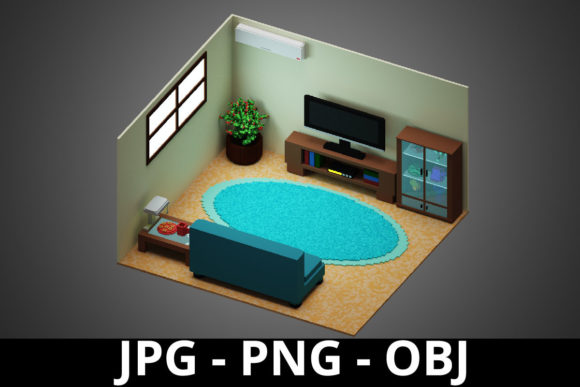
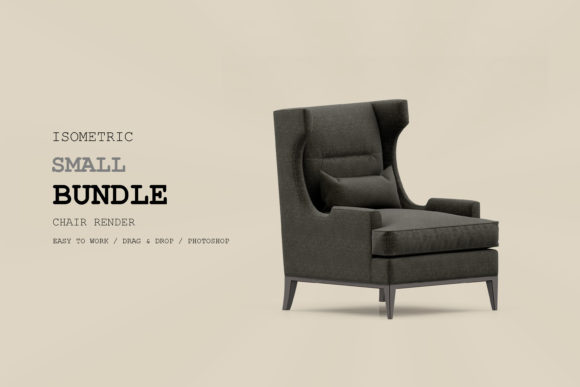
The Isometric Armchair 3D Rendering Pac 133 is a specialized digital asset designed to streamline the visual representation of furniture in architectural, interior design, and product marketing contexts. This package offers a set of high-quality isometric 3D models that can be integrated into various creative workflows, providing a versatile solution for professionals seeking efficient and visually appealing representations of armchairs.
Understanding the Purpose and Value of Isometric Armchair 3D Rendering Pac 133
Isometric 3D rendering has become a popular choice for designers and marketers due to its ability to convey spatial relationships and details without the complexity of full 3D animation. The Isometric Armchair 3D Rendering Pac 133 capitalizes on this by offering pre-rendered models that maintain clarity and consistency across different platforms and applications. Whether used in presentations, e-commerce listings, or technical documentation, these renderings provide a professional edge without requiring extensive modeling expertise.
One of the key strengths of this package is its adaptability. The models are typically available in multiple file formats, ensuring compatibility with industry-standard software such as Blender, SketchUp, and Adobe Dimension. This flexibility makes it an attractive option for creators who work across different tools and environments.
Key Characteristics and Features
The Isometric Armchair 3D Rendering Pac 133 is distinguished by its attention to detail and consistent quality. Each model is crafted to reflect realistic textures, proportions, and lighting effects, allowing users to achieve polished results with minimal effort. The isometric perspective ensures that the armchair is displayed from a single, angled viewpoint, which simplifies integration into design projects and reduces the need for complex camera setups.
Additionally, the package often includes variations of the armchair design, such as different color options, fabric types, and material finishes. These variations enable users to tailor the renderings to specific project requirements, enhancing their practical value for diverse applications.
Real-World Performance and Usability
In practice, the Isometric Armchair 3D Rendering Pac 133 performs well in scenarios where speed and accuracy are essential. For instance, interior designers may use these renderings to visualize furniture placements within a space, while marketers might incorporate them into product pages to enhance visual storytelling. The pre-rendered nature of the models also means they can be easily embedded into presentations, social media content, or client proposals without compromising quality.
Usability is another strong point. The package is typically well-documented, with clear instructions on how to import and customize the models. This accessibility makes it suitable for both seasoned professionals and those new to 3D design, as long as they have a basic understanding of digital tools.
Quality, Reliability, and Long-Term Value
The quality of the Isometric Armchair 3D Rendering Pac 133 is generally consistent with industry standards, though users should verify the resolution and file size to ensure they meet their project needs. High-resolution files may be necessary for large-scale print or detailed digital displays, while lower-resolution versions could suffice for web-based applications.
Reliability is another factor to consider. Reputable providers of such packages often offer updates or support, which can be crucial for maintaining compatibility with evolving software versions. Users should also evaluate the source of the package to ensure it comes from a trusted provider with a track record of delivering reliable assets.
From a long-term perspective, the value of the Isometric Armchair 3D Rendering Pac 133 depends on how frequently it is used and the scope of the projects it supports. For businesses that regularly require 3D visuals, investing in a comprehensive package can save time and resources compared to commissioning custom models for each project.
Who Benefits Most from Isometric Armchair 3D Rendering Pac 133
This package is particularly beneficial for professionals in the fields of interior design, architecture, and product development. It is also useful for marketers, especially those working in e-commerce or online retail, who need visually engaging content to attract and retain customers. Freelancers and small business owners may find it advantageous for creating consistent branding materials or demonstrating services to potential clients.
For educators and training professionals, the Isometric Armchair 3D Rendering Pac 133 can serve as a teaching tool, helping students understand 3D modeling concepts and visualization techniques. Its structured approach to design can simplify complex topics and make them more accessible to learners at various skill levels.
Practical Recommendations and Limitations
When considering the Isometric Armchair 3D Rendering Pac 133, it's important to assess the specific needs of your workflow. If your projects require highly customized designs or dynamic animations, this package may not be sufficient. However, for static visualizations and standard design tasks, it can be a valuable resource.
Users should also take advantage of any trial versions or sample previews offered by providers. Testing the models in real-world scenarios can help determine whether they meet quality and usability expectations before making a purchase.
Finally, it's worth noting that while the Isometric Armchair 3D Rendering Pac 133 offers convenience and efficiency, it should be used in conjunction with other design tools and techniques. Combining pre-rendered models with custom elements can lead to more unique and compelling outcomes.
Conclusion: A Versatile Asset for Creative and Business Needs
The Isometric Armchair 3D Rendering Pac 133 provides a practical solution for professionals seeking to enhance their visual communication strategies. Its combination of quality, usability, and adaptability makes it a valuable addition to any creative or business workflow. While it may not replace the need for custom 3D modeling in all cases, it offers a reliable and efficient alternative for a wide range of applications. By carefully evaluating its features and limitations, users can determine whether it aligns with their goals and contributes to the success of their projects.