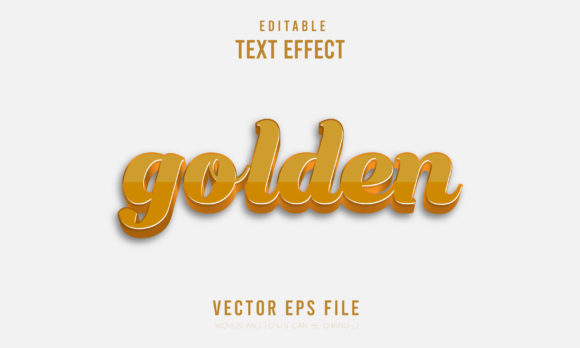
Editable Golden 3D Font Effect: A Practical Guide to Avoid Common Pitfalls
The Editable Golden 3D Font Effect is a popular design tool that allows users to create eye-catching text with a luxurious, metallic appearance. Whether you're a graphic designer, marketer, or content creator, this effect can elevate your visuals and make your work stand out. However, many people approach it without fully understanding its capabilities, limitations, and best practices. This article explores the key considerations when working with the Editable Golden 3D Font Effect and provides practical advice to help you avoid common mistakes.
What Is the Editable Golden 3D Font Effect?
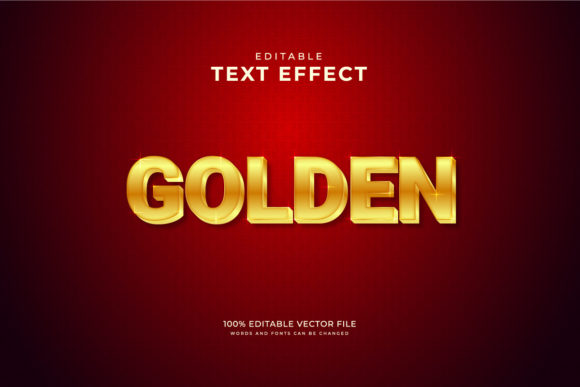
The Editable Golden 3D Font Effect refers to a digital text style that mimics the look of real gold, often with depth, shine, and texture. It’s commonly used in logos, banners, social media posts, and other visual content where a premium aesthetic is desired. Unlike standard fonts, this effect adds a three-dimensional quality, making the text appear more dynamic and engaging.
Many designers and creators use this effect to enhance their branding, marketing materials, or personal projects. However, not all golden 3D font effects are created equal. Some may lack customization options, while others might be difficult to edit or incompatible with certain software.
Common Mistakes When Using Editable Golden 3D Font Effect
One of the most frequent errors people make is assuming that all golden 3D font effects are interchangeable. In reality, the quality, flexibility, and usability can vary significantly depending on the source. For example, some effects may only work in specific design programs, such as Adobe Photoshop or Illustrator, while others might require additional plugins or tools.
Another common mistake is overlooking the importance of resolution and file format. High-quality golden 3D fonts should be available in scalable vector formats (like SVG or EPS) to ensure they remain crisp at any size. If you download a low-resolution version, your text might look pixelated or blurry when scaled up, which can harm the overall presentation.
Additionally, many users fail to check licensing terms before using an editable golden 3D font effect. Some fonts are free for personal use only, while others require a commercial license. Using a font without proper permission can lead to legal issues, especially if you’re creating content for clients or businesses.
Why These Mistakes Matter
Failing to consider these factors can have real consequences. Poorly designed or low-quality golden 3D fonts may not convey the intended message or aesthetic, leading to a less professional appearance. In a competitive market, this can hurt your credibility and reduce the effectiveness of your work.
Moreover, technical issues like compatibility problems or limited editing options can slow down your workflow. If you can’t easily adjust the font’s color, size, or layout, you may end up spending extra time trying to fix issues that could have been avoided with better preparation.
Cost is another consideration. While some golden 3D font effects are available for free, they may come with hidden costs, such as watermarks, restricted usage, or poor support. Investing in a high-quality, well-documented font can save you time and frustration in the long run.
How to Choose the Right Editable Golden 3D Font Effect
To avoid these pitfalls, start by researching the font’s features and limitations. Look for fonts that offer full editability, meaning you can adjust colors, shadows, gradients, and other elements without losing quality. This flexibility is crucial for adapting the font to different projects and platforms.
Check the file formats provided. Vector-based files (such as AI, EPS, or SVG) are generally more versatile than raster images (like PNG or JPEG). They allow for easier scaling and modification, making them ideal for both print and digital use.
Review the licensing agreement carefully. Ensure that the font is suitable for your intended use—whether personal, commercial, or for a client. If you’re unsure, reach out to the provider for clarification before purchasing or downloading.
Practical Tips for Working With Editable Golden 3D Font Effect
Once you’ve selected a font, take the time to familiarize yourself with its settings and tools. Many golden 3D effects include parameters for adjusting depth, lighting, and texture. Experimenting with these options can help you achieve the desired look without overcomplicating your design.
Consider the context in which you’ll use the font. A highly detailed golden 3D effect might work well for a luxury brand or a high-end product, but it could be overwhelming for a simple social media post. Balance is key—use the effect strategically to enhance, not distract.
Finally, always test the font in different sizes and backgrounds. What looks great on a white canvas might not work as well on a dark or textured background. Testing ensures that your design remains consistent and visually appealing across various applications.
Realistic Examples and Better Approaches
Imagine you’re designing a logo for a jewelry brand. A golden 3D font could add a sense of elegance and sophistication. However, if you choose a font that’s too flashy or difficult to customize, you might end up with a logo that doesn’t reflect the brand’s identity. Instead, opt for a font that offers clean lines, subtle depth, and easy adjustments.
Another scenario involves a small business owner creating promotional materials. They might download a free golden 3D font without checking the licensing terms. Later, they discover that the font includes a watermark or restricts commercial use. To avoid this, they should invest in a licensed font that meets their needs and supports their business goals.
What to Check Before Making a Decision
Before finalizing your choice, ask yourself a few key questions: Is the font editable? Does it support multiple file formats? Are there clear licensing terms? Can I adjust the font’s appearance to fit my project? Answering these questions will help you make an informed decision and avoid unnecessary complications.
Additionally, read reviews or seek recommendations from other designers. Community feedback can provide valuable insights into the font’s performance, ease of use, and reliability. Don’t hesitate to ask for samples or trial versions if available.