Beyond the Flat: Understanding the 3D Penguin SVG Cut File and Its Role in Modern Creative Business
If you have spent any time in the world of digital crafting, small-batch manufacturing, or content creation over the past few years, you have likely encountered the 3D Penguin SVG Cut File. At first glance, it appears to be a simple graphic: a layered vector design of a penguin, intended for use with cutting machines such as Cricut, Silhouette, or laser cutters. But this particular file represents something much larger than a single animal shape. It is a microcosm of a fundamental shift in how we design, produce, and sell physical goods in the twenty-first century.
In this article, we will explore what a 3D Penguin SVG Cut File actually is, why it has captured the attention of professionals across multiple industries, and how it fits into broader trends in technology, entrepreneurship, and creative workflow. Whether you are a freelancer building a product line, a marketer looking for unique visual assets, or an entrepreneur exploring new revenue streams, understanding the significance of this file will give you a clearer lens on where the creative economy is headed.
What Is a 3D Penguin SVG Cut File, Really?
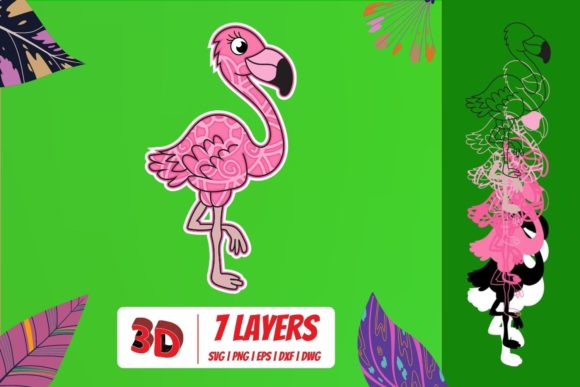
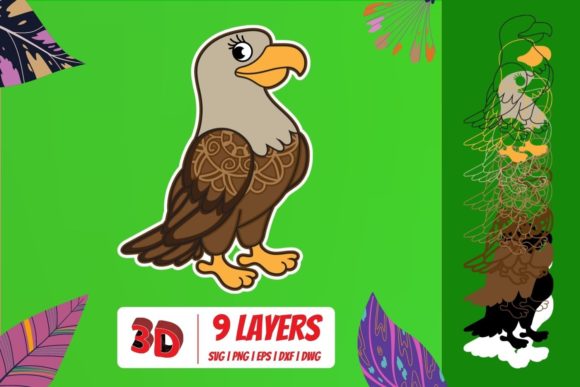
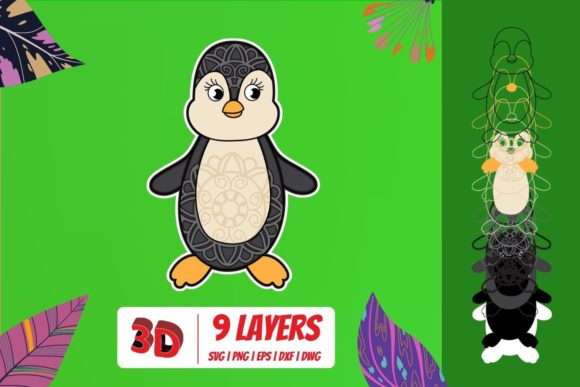
Technically speaking, a 3D Penguin SVG Cut File is a vector graphic saved in the Scalable Vector Graphics format. It is specifically designed to be cut from materials like cardstock, felt, wood, or acrylic on a computer-controlled cutting machine. The “3D” part of the name refers to the fact that the final assembled piece has depth. The file typically contains multiple layered components—body, head, beak, wings, feet, and sometimes accessories like a scarf or hat—that are cut separately and then stacked or folded to create a dimensional object.
Unlike a simple sticker or flat ornament, a 3D Penguin SVG Cut File produces a tangible, standing figure. The penguin might look like a classic emperor penguin, a chinstrap, or even a stylized cartoon version. The key point is that the design is not a single outline; it is a system of parts that, when combined, create something that occupies real space. That is where the value lies.
For the uninitiated, the workflow goes something like this: you download the SVG file, import it into cutting machine software, adjust the size and material settings, and send it to the machine. After cutting, you remove the pieces from the sheet, fold or glue them according to instructions, and end up with a physical 3D penguin. It is a hybrid process—digital design meets hands-on assembly—and that hybridity is exactly what makes it relevant across so many fields.
The Broader Context: How a Penguin Fits Into a Larger Movement
The rise of the 3D Penguin SVG Cut File did not happen in a vacuum. It is part of a much larger ecosystem that includes the democratization of manufacturing, the growth of the creator economy, and a widespread desire for personalized, meaningful goods. To understand why people are paying attention, we have to look at three converging trends.
From Mass Production to On-Demand Personalization
For decades, the only way to get a three-dimensional object made of cardstock or wood was to either buy it from a store or hand-cut it with a knife. Both options were limiting. Mass-produced items lacked uniqueness, and hand-cutting required skill, time, and patience. The advent of affordable digital cutting machines changed that equation entirely. Suddenly, anyone with a computer and a modest budget could produce professional-quality physical objects at home.
The 3D Penguin SVG Cut File is a perfect illustration of this shift. A small business owner can download the file, cut a dozen penguins in an hour, and sell them at a craft fair. A teacher can customize the design with student names and use it as a classroom project. A parent can make a personalized party decoration that looks like it came from a boutique. The file itself is the bridge between a digital idea and a real-world product, and that bridge is now accessible to millions of people.
The Creator Economy Meets Physical Goods
We talk a lot about the creator economy in the context of videos, podcasts, and digital downloads. But a significant and growing segment of that economy is built around physical goods—specifically, goods that are designed digitally and produced locally. SVG cut files are the backbone of this niche. Designers create the files, sell them on platforms like Etsy or Creative Market, and customers use them to make tangible items.
What makes the 3D Penguin SVG Cut File notable within this space is its dimensionality. Flat SVG files (for cards, stickers, or iron-on decals) are abundant, but 3D files require more thought. They demand an understanding of how layers interact, how materials behave, and how a two-dimensional drawing can become a stable three-dimensional object. That complexity translates to higher perceived value and often a higher price point. For designers, it is a way to differentiate themselves in a crowded market. For buyers, it is an opportunity to create something that feels substantial and impressive.
The Shift Toward Hands-On Engagement
In an increasingly digital world, there is a growing countermovement toward tactile, hands-on experiences. People want to make things with their hands. They want to step away from screens and produce something real. The 3D penguin cut file caters directly to that desire. It gives the user a satisfying, structured activity that results in a physical object they can hold, display, or gift.
This is not just a hobby trend; it has implications for mental health, education, and even team building. I have seen entrepreneurs incorporate 3D SVG projects into workshop kits, therapists use them in occupational therapy settings, and corporate teams build them as icebreaker activities. The 3D Penguin SVG Cut File is versatile enough to serve all of these use cases, which is why it has become a staple rather than a novelty.
Why Professionals and Entrepreneurs Should Pay Attention
It would be easy to dismiss the 3D Penguin SVG Cut File as a craft fad, but that would overlook its strategic relevance. For professionals, creators, and business owners, this file type represents a concrete way to explore new revenue models, deepen customer engagement, and adapt to changing expectations.
Low Barrier to Entry, High Ceiling for Creativity
One of the most practical reasons to pay attention is the low barrier to entry. If you are a graphic designer or illustrator, you already have the skills needed to create SVG files. Adding a third dimension to your designs is a logical extension of your existing abilities. If you are a business owner, you do not need to invest in expensive equipment or inventory. You can start with a single file, a basic cutting machine, and a few sheets of material. The risk is minimal, but the potential for growth is significant.
Consider a children’s party planner. Instead of outsourcing decorations to a printer, they could invest in a die-cutting machine and build a library of 3D SVG files. A 3D Penguin SVG Cut File could be used for winter-themed parties, arctic animal events, or even as a custom cake topper. The same file can be adapted in hundreds of ways by changing the material, size, or color scheme. That kind of flexibility is hard to beat.
Meeting the Demand for Authenticity and Storytelling
Modern consumers are increasingly drawn to products that feel authentic, handmade, or story-driven. A 3D penguin made from a cut file is not a generic factory item. It carries the mark of the maker—the choice of paper, the precision of the assembly, the little imperfections that make it human. For a brand, offering such items can build a stronger emotional connection with customers.
I have observed small retailers using 3D SVG files to create limited-edition seasonal collections. They might offer a set of Arctic animals during winter, with the penguin as the centerpiece. Each unit is made to order, which eliminates overproduction and waste. Customers appreciate the craftsmanship and the story behind the product. The 3D Penguin SVG Cut File becomes a tool for storytelling as much as a tool for production.
Evolving Customer Expectations in the Digital Age
Today’s customers are not just buying a product; they are buying an experience. They want to be involved, to customize, to learn. The 3D cut file model plays directly into this expectation. When you sell a customer a 3D Penguin SVG Cut File, you are selling them the ability to create. That is a fundamentally different transaction than selling them a finished penguin.
For marketers and entrepreneurs, this shift is important. It means that a downloadable SVG file can function as both a product and a lead generation tool. You could offer a free 3D penguin template on your website to attract crafters, then upsell them on a more complex bundle. You could host a live assembly tutorial to build community. The file is the entry point to a deeper relationship. That is a powerful insight for anyone building a brand.
Practical Examples of the 3D Penguin SVG Cut File in Action
Let us move beyond theory and look at how the 3D Penguin SVG Cut File is being used in real-world scenarios. These examples are drawn from observations of creators, small businesses, and educators who have integrated this file into their operations.
Example One: A Boutique Stationery Brand
A stationery designer I know used to sell flat greeting cards. She noticed that her customers were asking for more interactive designs. She bought a basic cutting machine, sourced a 3D Penguin SVG Cut File from a designer on Etsy, and started producing pop-up cards with a dimensional penguin inside. Within three months, those cards became her best-selling item. She then expanded into a full line of 3D animal cards, each sourced from different SVG files. The initial penguin file was her proof of concept. Today, she has a thriving business built entirely around layered, dimensional paper goods.
Example Two: An Educational Kit Creator
A former science teacher turned entrepreneur wanted to create hands-on learning kits that taught kids about polar ecosystems. She designed a series of 3D SVG files that included penguins, seals, and arctic foxes. Each kit came with the SVG files printed on perforated cardstock, plus assembly instructions and educational facts. Schools and homeschool parents bought them in bulk. The 3D Penguin SVG Cut File was the centerpiece of the kit because it was the most recognizable animal and the one that generated the most excitement.
Example Three: A Wedding and Event Planner
An event planner specialized in winter-themed weddings. She began using 3D cut files to create table centerpieces, favor boxes, and place card holders. The 3D Penguin SVG Cut File became a signature element for her Arctic- and Nordic-inspired events. She offered couples the option to customize the penguins with their initials or wedding date. The response was so positive that she started selling the customized penguins as a standalone product on her website, creating a new revenue stream that had nothing to do with event planning.
Connecting the Penguin to Larger Developments
The 3D Penguin SVG Cut File might seem like a small thing in the grand scheme of business and technology, but it is connected to several larger developments worth noting.
The Rise of the Digital-Physical Hybrid Workplace
As more people work remotely and seek side income, tools that allow for a hybrid digital-physical workflow are gaining traction. SVG cut files are one of the simplest examples of this hybrid model. You create or purchase a file digitally, then produce something physical. This model works whether you are a freelancer in a small apartment or a small business with a dedicated workshop. The 3D Penguin SVG Cut File is a case study in how digital assets translate into tangible value without requiring a huge infrastructure.
Localized Production and the Resurgence of Craft
There is a growing interest in localized, small-batch production as a counterbalance to global supply chains. SVG files enable this by allowing anyone to become a manufacturer in their own community. A maker in Chicago can cut a 3D Penguin SVG Cut File from locally sourced cardstock and sell it at a neighborhood market. That same file can be used by a maker in Tokyo with different materials and a different aesthetic. The file is global; the production is local. This model reduces shipping emissions, supports local economies, and fosters creative diversity.
Accessible Design for All Skill Levels
Perhaps the most important development is the democratization of design. With a 3D Penguin SVG Cut File, you do not need to be a 3D modeler, an engineer, or an artist to create something dimensional. The hard part—the geometry, the interlocking tabs, the structural stability—has already been done by the file’s creator. You only need to cut and assemble. That opens up the world of 3D design to people who would never have considered it before. It is a small but meaningful step toward a future where anyone can bring their ideas into physical form.
Observing the Shift in Workflow and Expectations
Over the past few years, I have watched the conversation around SVG cut files evolve. Early adopters treated them as simple templates. Today, professionals see them as components of a larger creative system. The 3D Penguin SVG Cut File is no longer just a penguin; it is a building block for a product line, a teaching tool, a marketing asset, or a brand identifier.
This shift reflects a broader change in what people expect from digital products. They no longer want passive content they simply consume. They want active content that enables them to do something. They want to create, customize, and share. The 3D cut file delivers on that expectation in a way that few other digital formats can.
For professionals and entrepreneurs, the lesson is clear. Whether you are designing files, selling them, or using them to build a product line, the 3D Penguin SVG Cut File is more than a trend. It is a signal of how the creative economy is evolving. It points toward a future where the line between digital and physical is blurry, where design is accessible, and where the act of making is itself a form of value.
If you have not yet explored what a 3D SVG file can do for your work, the penguin is a great place to start. It is simple enough to learn with, complex enough to teach you, and versatile enough to grow with you. That is a rare combination in any creative tool, and it is exactly why this little file deserves your attention.