3D Layered Yoga Vector: A Creative Tool for Modern Practitioners
The 3D Layered Yoga Vector is a digital design resource that combines the principles of yoga with advanced graphic design. It offers a visually engaging way to represent yoga poses, sequences, and concepts through layered vector graphics. For professionals in creative fields, educators, or individuals looking to enhance their digital content, this tool can be both practical and inspiring. However, many people approach it with assumptions or incomplete knowledge that can lead to suboptimal results.
Understanding what 3D Layered Yoga Vector truly is—and how to use it effectively—can make a significant difference in your projects. Whether you're designing marketing materials, teaching resources, or personal artwork, knowing the right strategies can help you avoid common pitfalls and maximize the value of this tool.
What Is 3D Layered Yoga Vector?
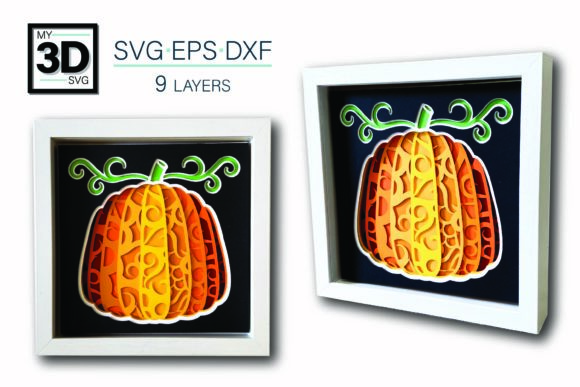
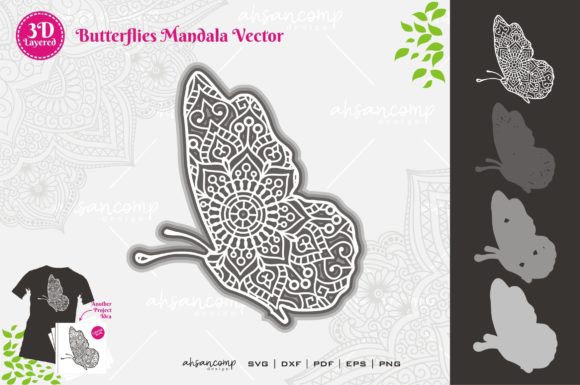
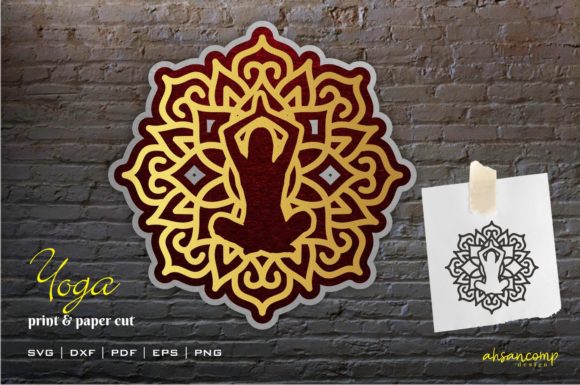
A 3D Layered Yoga Vector refers to a set of scalable, editable graphics that depict yoga postures in a three-dimensional format. These vectors are typically created using design software like Adobe Illustrator or CorelDRAW and include multiple layers for customization. Each layer might represent different elements such as the body, background, props, or environmental details.
Unlike static images, vectors allow for easy resizing without loss of quality. This makes them ideal for use across various platforms, from social media to print materials. The "layered" aspect means users can modify individual components, such as changing colors, adjusting pose angles, or adding text overlays.
For those who work with visual content, this tool can save time and improve consistency. However, its effectiveness depends on how well it's understood and applied.
Common Mistakes When Using 3D Layered Yoga Vector
One of the most frequent errors is assuming that all 3D Layered Yoga Vectors are created equal. Some may lack detail, while others might not be optimized for specific uses. For example, a vector designed for a mobile app might not work well in a printed brochure due to resolution or color profile differences.
Another common mistake is ignoring the technical specifications. Many users download a vector without checking file formats, dimensions, or compatibility with their design software. This can lead to frustration when trying to edit or scale the image.
Some also overlook the importance of licensing. Not all 3D Layered Yoga Vectors are free to use, and using one without proper permission can result in legal issues. Always verify the usage rights before incorporating a vector into a project.
How Mistakes Affect Results and Usability
Choosing the wrong 3D Layered Yoga Vector can lead to poor visual outcomes. If the design is too simplistic, it may not convey the intended message or aesthetic. Alternatively, if the vector is overly complex, it could be difficult to edit or integrate into other designs.
Incorrect usage can also impact efficiency. For instance, using a vector that isn’t properly structured might require extra time to reorganize layers or fix inconsistencies. This can slow down your workflow and reduce productivity.
In terms of cost, some users may opt for low-quality or free vectors only to find they need to replace them later. Investing in high-quality, well-structured vectors from reputable sources can save time and money in the long run.
Practical Advice for Better Outcomes
To avoid these issues, start by clearly defining your needs. Are you creating a logo, an infographic, or a presentation? Knowing your purpose will help you select the right type of 3D Layered Yoga Vector.
Before downloading or purchasing, check the file details. Look for information about the number of layers, file format (such as SVG or EPS), and whether it includes editable elements. High-quality vectors often come with detailed documentation or support resources.
Additionally, consider the source. Reputable design marketplaces like Adobe Stock, Shutterstock, or Creative Market offer vetted vectors that meet industry standards. These platforms also provide user reviews, which can guide your decision-making process.
If you’re unsure about editing a vector, invest time in learning basic design tools. Understanding how to manipulate layers, adjust colors, and export files properly can significantly enhance your ability to use 3D Layered Yoga Vector effectively.
What to Check Before Making a Decision
Before finalizing your choice, ask yourself a few key questions. Does the vector align with your project’s goals? Is it compatible with your software? Are there any restrictions on commercial use? These considerations can prevent costly mistakes down the line.
Also, test the vector in your workflow. Open it in your design program and see how it behaves. Can you easily access and modify each layer? Is the resolution suitable for your intended use? Testing early can save time and effort later.
Finally, think about scalability. Will the vector look good at different sizes? A poorly designed vector may appear pixelated or distorted when scaled up, which can harm the overall quality of your work.
Realistic Examples and Better Approaches
Imagine you’re creating a social media campaign for a yoga studio. You choose a 3D Layered Yoga Vector that looks great but lacks proper layer organization. As a result, you spend extra time rearranging elements instead of focusing on content creation. A better approach would be to select a vector with clear, labeled layers and comprehensive documentation.
Another scenario involves a teacher who downloads a free vector for classroom materials. The vector works initially, but when printed, the colors don’t match the original design. By checking the color profile and resolution beforehand, they could have avoided this issue and ensured consistent output.
These examples highlight the importance of careful planning and informed choices. Taking the time to evaluate your options can lead to more professional, efficient, and satisfying results.
Conclusion: Make Informed Choices with 3D Layered Yoga Vector
The 3D Layered Yoga Vector is a powerful tool when used correctly. It offers flexibility, quality, and creative potential for a wide range of applications. However, success depends on understanding its capabilities and limitations.
By avoiding common mistakes, checking technical details, and selecting the right resources, you can unlock the full potential of this design asset. Whether you’re a beginner or an experienced designer, making informed decisions will lead to better outcomes and greater satisfaction in your work.