3D Style Editable Text Effects: A Creative Revolution in Digital Design
In today’s digital age, visual content is more important than ever. Whether you're a designer, marketer, educator, or just someone looking to express yourself creatively, the ability to create eye-catching text effects can make all the difference. One of the most exciting developments in this space is 3D style editable text effects. These dynamic and customizable text designs are transforming how we approach graphic design, social media, presentations, and even everyday communication.
But what exactly are 3D style editable text effects? How do they work, and why should you care? In this article, we'll break down everything you need to know about these effects, from their basic concepts to their practical applications in modern life.
What Are 3D Style Editable Text Effects?
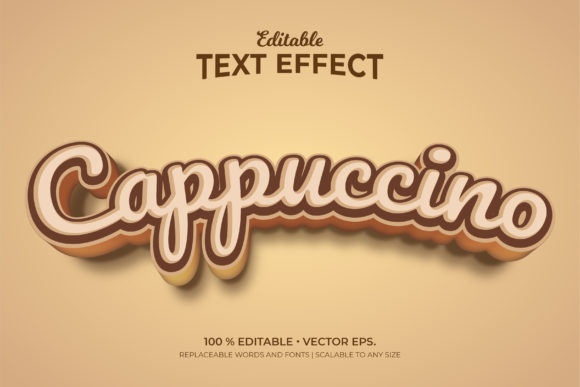
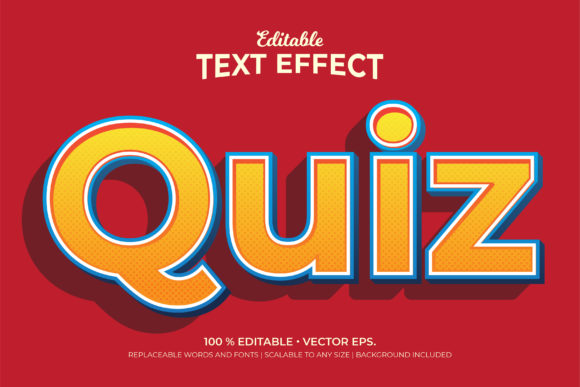
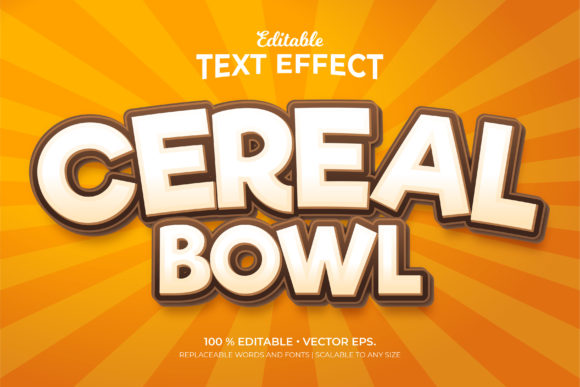
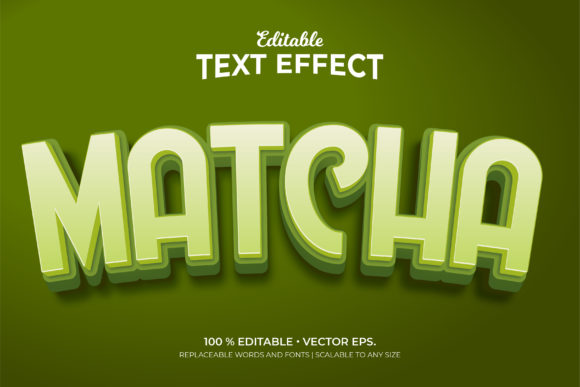
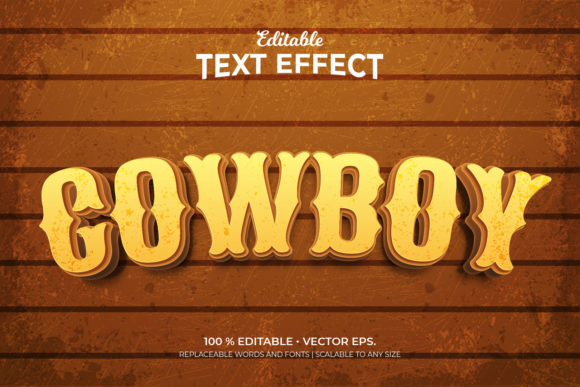
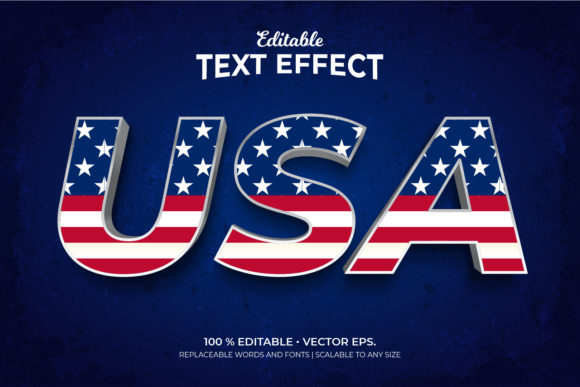
3D style editable text effects refer to digital text that appears three-dimensional, often with depth, shadows, reflections, and other visual enhancements. Unlike traditional flat text, these effects give your text a more realistic, engaging, and immersive look. The key feature of these effects is that they are editable, meaning you can easily modify the text, colors, shapes, and other properties without starting from scratch.
These effects are commonly created using software like Adobe Photoshop, Illustrator, After Effects, or even online tools that offer pre-designed templates. They allow users to add a sense of depth and dimension to their text, making it stand out in any design project.
The Purpose and Significance of 3D Text Effects
So why are 3D text effects so popular? The answer lies in their ability to capture attention and convey emotion. In a world where people are constantly bombarded with information, visually striking text can make your message more memorable and impactful.
For businesses, 3D text effects are a powerful tool for branding and marketing. They can be used in logos, advertisements, social media posts, and website headers to create a unique and professional look. For educators, these effects can help make presentations more engaging and visually appealing, especially when teaching complex subjects that require visual aids.
On a personal level, 3D text effects open up new avenues for creativity. Whether you're designing a birthday card, creating a digital art piece, or simply wanting to make your messages stand out on social media, these effects provide endless possibilities for self-expression.
How 3D Text Effects Fit Into Modern Life
From work to education to daily activities, 3D text effects have found their place in various aspects of our lives. Let's explore some of the ways they are being used today:
- Marketing and Advertising: Companies use 3D text effects in banners, ads, and promotional materials to grab attention and differentiate themselves from competitors.
- Graphic Design: Professional designers rely on 3D text effects to create compelling visuals for clients, from magazine covers to product packaging.
- Education: Teachers and students use these effects to enhance presentations, infographics, and educational materials, making learning more interactive and engaging.
- Personal Projects: Artists and hobbyists use 3D text effects to create stunning digital artwork, social media content, and creative projects that reflect their unique style.
Practical Relevance and Applications
One of the greatest advantages of 3D style editable text effects is their versatility. They can be applied to a wide range of projects, both digital and physical. Here are a few examples of how they are being used in practice:
- Website Design: Websites with 3D text elements can create a more immersive user experience, helping to guide visitors and highlight key information.
- Social Media Posts: Platforms like Instagram, Facebook, and TikTok benefit from 3D text effects in captions, story overlays, and video titles, making content more eye-catching.
- Print Materials: From business cards to posters, 3D text effects can elevate the visual appeal of printed materials, making them more professional and memorable.
- Video Production: In videos, 3D text effects are used for title screens, transitions, and on-screen graphics, adding a layer of sophistication and dynamism.
Understanding the Technology Behind 3D Text Effects
While the end result of 3D text effects may seem magical, the technology behind them is rooted in digital design principles. Most 3D text effects are created using software that allows users to manipulate layers, apply filters, and adjust lighting and perspective. These tools simulate the appearance of depth and dimension, giving text a 3D look without requiring advanced modeling skills.
Some programs also use extrusion techniques, where text is given thickness and depth by extending it into the third dimension. This can be combined with shading, reflection, and lighting effects to create a realistic 3D appearance. Additionally, many tools offer pre-built templates, making it easy for beginners to experiment with different styles and effects.
Common Misconceptions About 3D Text Effects
Despite their popularity, there are still some misconceptions about 3D style editable text effects. One common assumption is that they are only for professionals or require advanced technical skills. In reality, many tools are designed with user-friendliness in mind, allowing even beginners to create impressive results with minimal effort.
Another misconception is that 3D text effects are purely aesthetic and not functional. However, when used effectively, these effects can improve readability, draw attention to key points, and enhance the overall user experience. They are not just for show—they serve a purpose in communication and design.
Getting Started with 3D Text Effects
If you're interested in exploring 3D style editable text effects, here are a few steps to get started:
- Choose the Right Software: Start with a program that offers 3D text capabilities, such as Adobe Photoshop, Illustrator, or free alternatives like GIMP or Canva.
- Experiment with Templates: Many tools come with built-in 3D text templates that you can customize to suit your needs.
- Learn Basic Techniques: Understanding how to adjust depth, lighting, and shadows will help you create more realistic and professional-looking effects.
- Practice and Refine: Like any skill, creating great 3D text effects takes time and practice. Don't be afraid to experiment and refine your work.
Conclusion
3D style editable text effects are more than just a trend—they're a powerful tool that enhances visual communication in countless ways. Whether you're a designer, educator, marketer, or simply someone who loves creativity, these effects offer a way to express ideas with greater impact and style.
As technology continues to evolve, the possibilities for 3D text effects will only expand. By understanding their purpose, significance, and practical applications, you can harness their potential to elevate your work, engage your audience, and bring your ideas to life in a more dynamic and visually compelling way.