3D Social Media Icon- 3d Explained
The 3D Social Media Icon- 3d is a digital design element that adds depth and realism to social media profiles, websites, and marketing materials. Unlike traditional flat icons, these 3D versions create a more dynamic visual experience, making content stand out in a crowded online space. Whether you're a designer, marketer, or business owner, understanding how to use and benefit from 3D social media icons can enhance your digital presence.
What Is a 3D Social Media Icon?
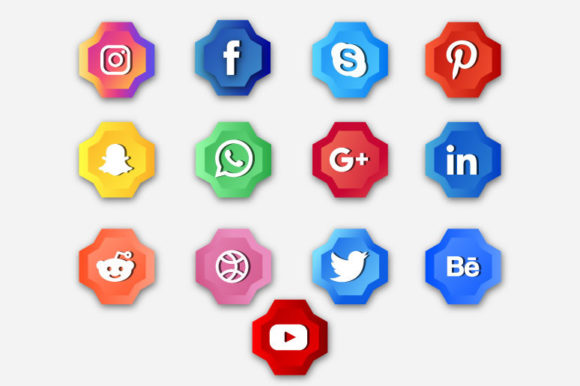
A 3D Social Media Icon is a three-dimensional representation of a social media platform's logo or symbol. It uses lighting, shadows, and perspective to give the illusion of depth, making it more engaging than a two-dimensional version. These icons are often used in web design, app interfaces, and promotional content to add a modern and professional look.
They can be created using graphic design software like Blender, Adobe Illustrator, or 3D modeling tools. Once designed, they can be exported in various formats such as PNG, SVG, or GIF for different platforms and uses.
Why Different Audiences Care About 3D Social Media Icons
The value of 3D Social Media Icons varies depending on who is using them. For beginners, these icons may seem complex, but they offer an opportunity to learn new design skills. For professionals, they provide a way to elevate their brand identity and make their work more visually compelling.
Creators and marketers might use 3D icons to differentiate their content and capture attention in a competitive digital environment. Educators could incorporate them into presentations to make lessons more interactive. Business owners may see them as a tool for improving user engagement and brand recognition.
How Beginners Might Approach 3D Social Media Icons
If you're just starting out, the idea of creating a 3D Social Media Icon might feel overwhelming. However, there are many resources available to help you get started. Online tutorials, free design tools, and community forums can guide you through the basics of 3D modeling and icon creation.
For example, a beginner blogger looking to update their website might choose a pre-made 3D icon from a design marketplace instead of creating one from scratch. This allows them to focus on content while still enhancing their site's visual appeal.
Experienced Users and Designers
More experienced designers and developers may prefer customizing 3D Social Media Icons to match their specific needs. They might adjust colors, lighting, or animations to align with their brand’s aesthetic or project requirements.
A freelance graphic designer working on a client’s project might spend time perfecting the details of a 3D icon to ensure it meets the client’s expectations. They could also experiment with different styles to find the best fit for the brand’s identity.
Business Owners and Marketers
For business owners and marketers, 3D Social Media Icons can play a key role in branding and customer engagement. A well-designed 3D icon can make a social media profile more memorable and visually appealing, encouraging users to interact more with the content.
An e-commerce store owner, for instance, might use a 3D version of a social media icon on their website to create a more immersive shopping experience. This can lead to increased trust and conversion rates.
Educators and Students
Teachers and students can also benefit from 3D Social Media Icons. In educational settings, these icons can be used to create more engaging lesson plans or digital projects. They can help illustrate concepts related to design, technology, or digital literacy.
A high school teacher might use a 3D icon in a presentation about digital marketing, showing students how visual elements impact online communication. This makes learning more interactive and relevant to real-world applications.
Consumers and Hobbyists
Even casual users and hobbyists can find value in 3D Social Media Icons. For someone managing personal social media accounts, a 3D icon can add a unique touch to their profile, helping them stand out among friends or followers.
A hobbyist photographer, for example, might use a 3D version of a social media icon on their Instagram profile to reflect their creative style. This small detail can make their online presence feel more polished and intentional.
Key Priorities When Using 3D Social Media Icons
When deciding whether to use a 3D Social Media Icon, consider factors like ease of use, cost, quality, and flexibility. Beginners might prioritize simplicity and affordability, while professionals may focus on customization and visual impact.
For businesses, reliability and brand consistency could be important. Consumers might care more about aesthetics and personal expression. Evaluating these priorities can help you determine if 3D icons align with your goals.
Practical Examples for Different Users
Here are a few examples of how different users might approach 3D Social Media Icons:
- Beginner Blogger: Uses a pre-designed 3D icon to enhance their website without needing advanced design skills.
- Freelance Designer: Creates a custom 3D icon for a client, adjusting details to match the brand’s style.
- E-commerce Owner: Integrates a 3D icon into their online store to improve visual appeal and user experience.
- High School Teacher: Uses a 3D icon in a presentation to explain digital design concepts in a more engaging way.
- Hobbyist Photographer: Adds a 3D icon to their social media profile to express their creative identity.
Deciding If 3D Social Media Icons Fit Your Needs
Whether 3D Social Media Icons are right for you depends on your goals, skill level, and project type. If you’re looking to add visual interest to your online presence, they can be a powerful tool. However, if you’re short on time or resources, a simpler design might be more practical.
Take some time to explore different options, test what works best for your audience, and consider how 3D icons can support your overall digital strategy. With the right approach, they can enhance your online identity and help you connect more effectively with your audience.